Metal objects, workshops, and making across Islamic worlds.
A Digital Exhibition of Islamic Metalwork
Islamicmetal.com introduces visitors to the making of metal objects across the Islamic world from the beginning of Islam to the present. The site follows vessels, lamps, astrolabes, arms, jewelry, coins, boxes, and living craft traditions through materials and techniques: cast bronze, raised copper, engraved brass, silver inlay, damascened steel, bidriware, gilded tombak, tin-lined copper, and more. The main question is always practical as well as historical: how was this object made, and what did that making communicate?
The core question on every page: How was this object made, and what did that making communicate?
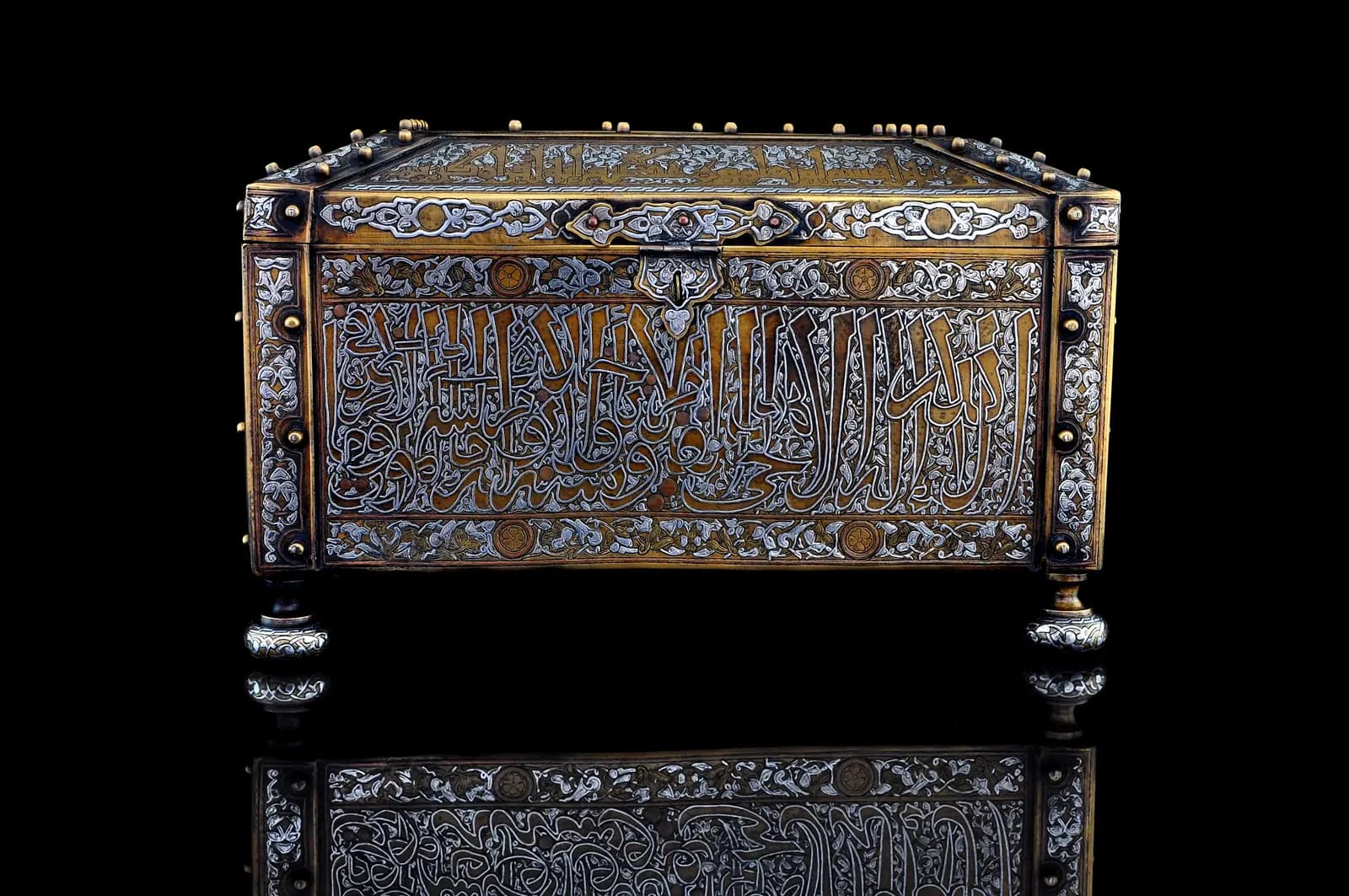
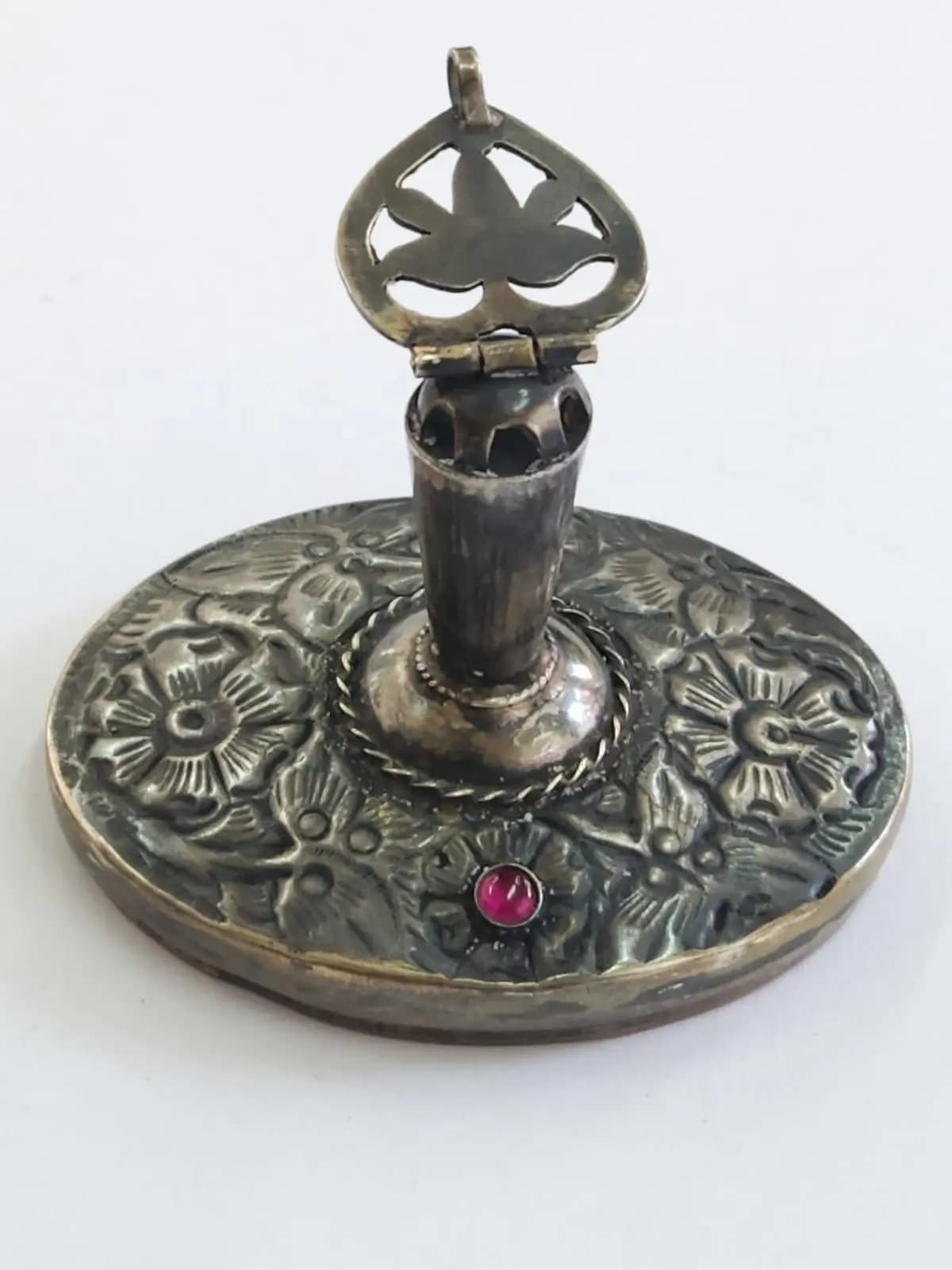
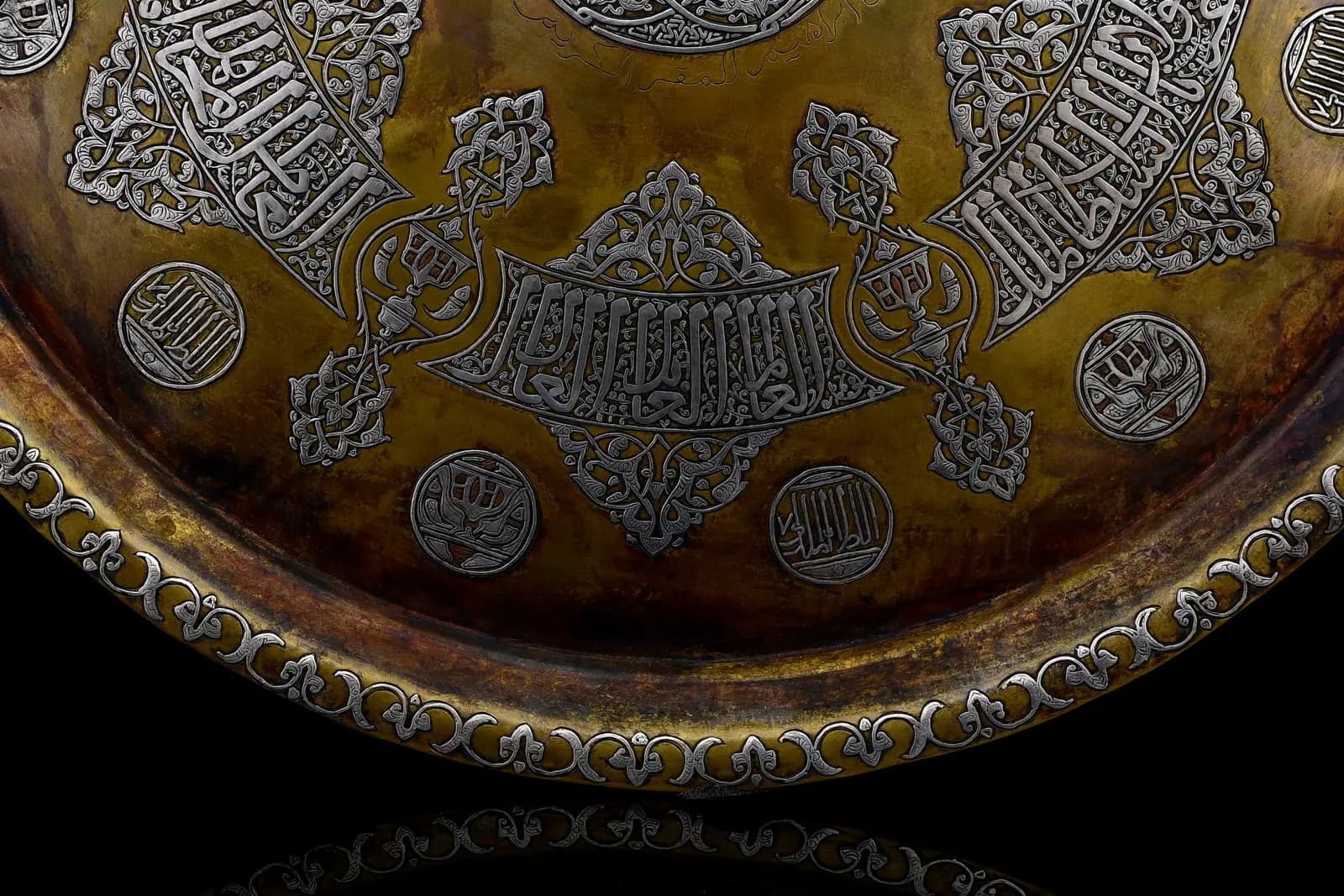
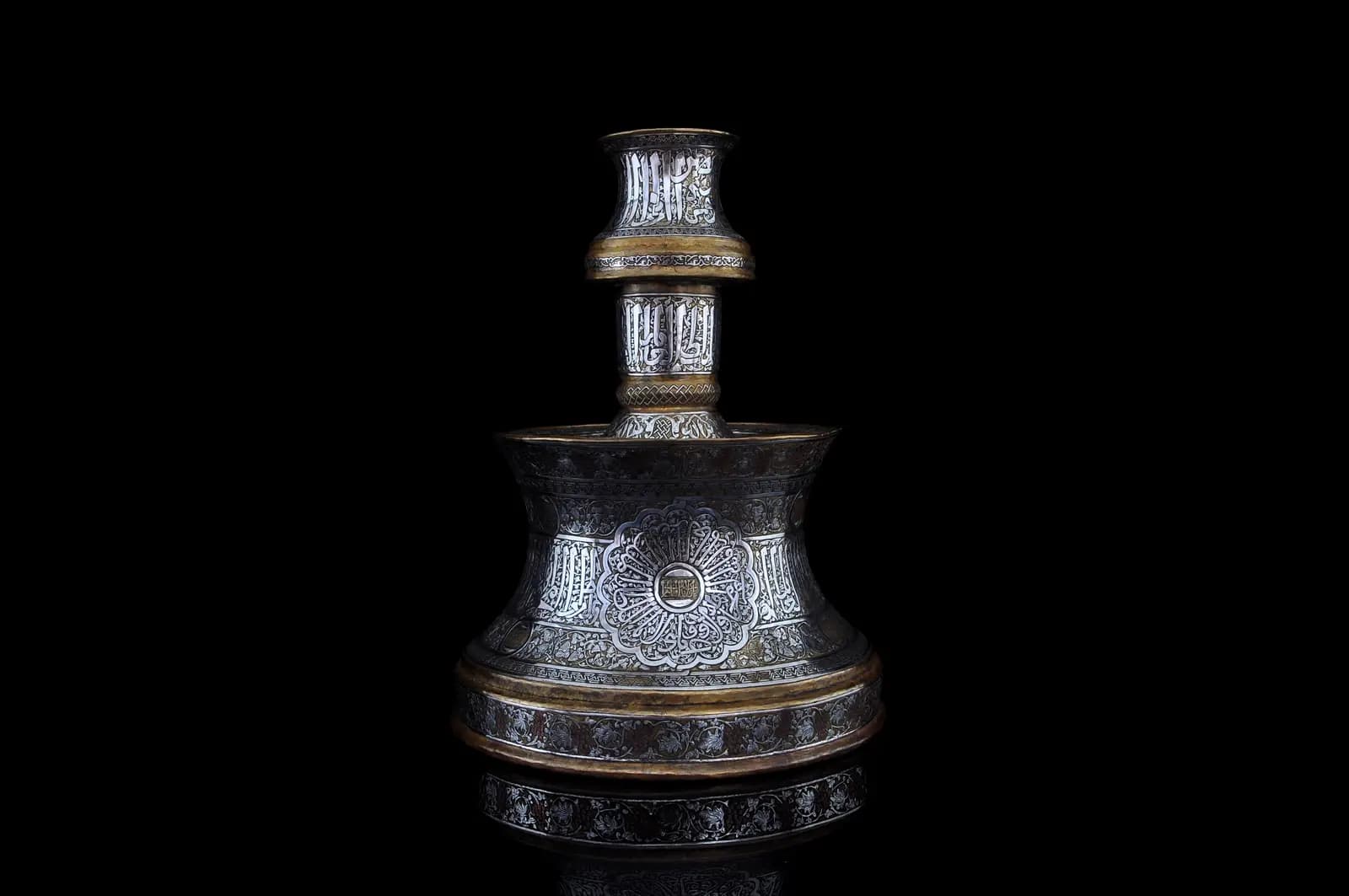
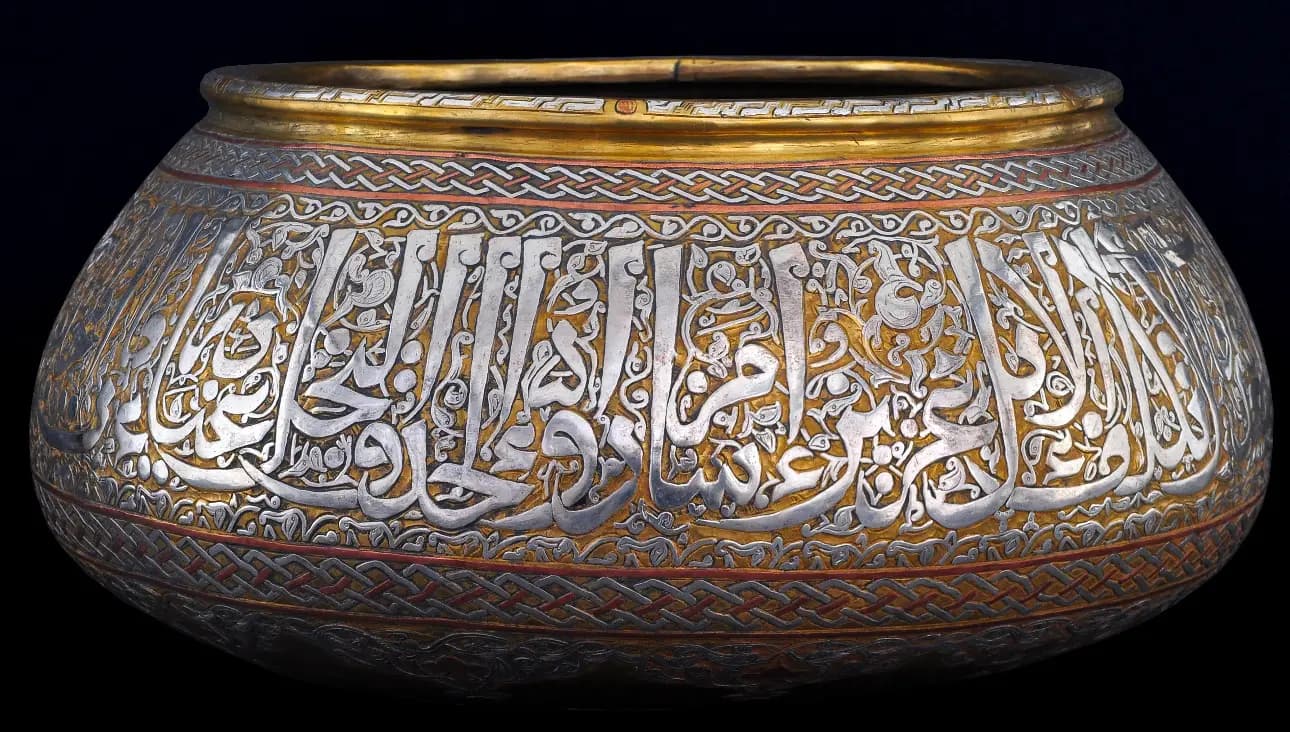
Four Ways to Explore
Enter the world of Islamic metalwork through time, technique, place, or the museum gallery.
Explore by Time
Follow metalwork from the 7th century through Abbasid, Mamluk, Ottoman, Safavid, Mughal, and modern periods.
ExploreExplore by Technique
Learn casting, raising, engraving, silver inlay, damascening, gilding, and workshop processes.
ExploreExplore by Region
Discover metalwork traditions from Arabia to South Asia, the Mediterranean to Southeast Asia.
ExploreMuseum Gallery
View referenced museum examples with full metadata, technique tags, and manufacturing notes.
ExploreSee How Silver Inlay Works
The core technique explained: channels, precious metal insertion, burnishing, and finishing.
ExploreMetalwork Today
Living craft, contemporary makers, conservation ethics, and responsible heritage practices.
ExploreTimeline: 7th Century to Today
A making history, not a dynasty list. Explore what metals were valued, which techniques emerged, and how objects travelled.
Core Techniques
Understanding technique reveals how objects were made, valued, and understood.
Casting and Mold-Making
From model to mold to metal body.
Forging
Making volume from a flat sheet.
Engraving
The line that organizes the surface.
Silver
How precious metal becomes part of the surface.
Core TechniqueDamascening
Bright wire over dark steel.
Niello
Dark, white, and polished surfaces that change how metal is seen.
Gilding
Gold-like surfaces and fine-scale brilliance.
Examples from Museums
Public domain objects from major collections, each with full metadata and manufacturing notes.
Watch: How It Is Made
Three short films on takfeet, the silver inlay worked into copper in Damascus and Cairo.
From the Workshop
Glimpses of living metalwork traditions that connect to the materials and techniques on this site.
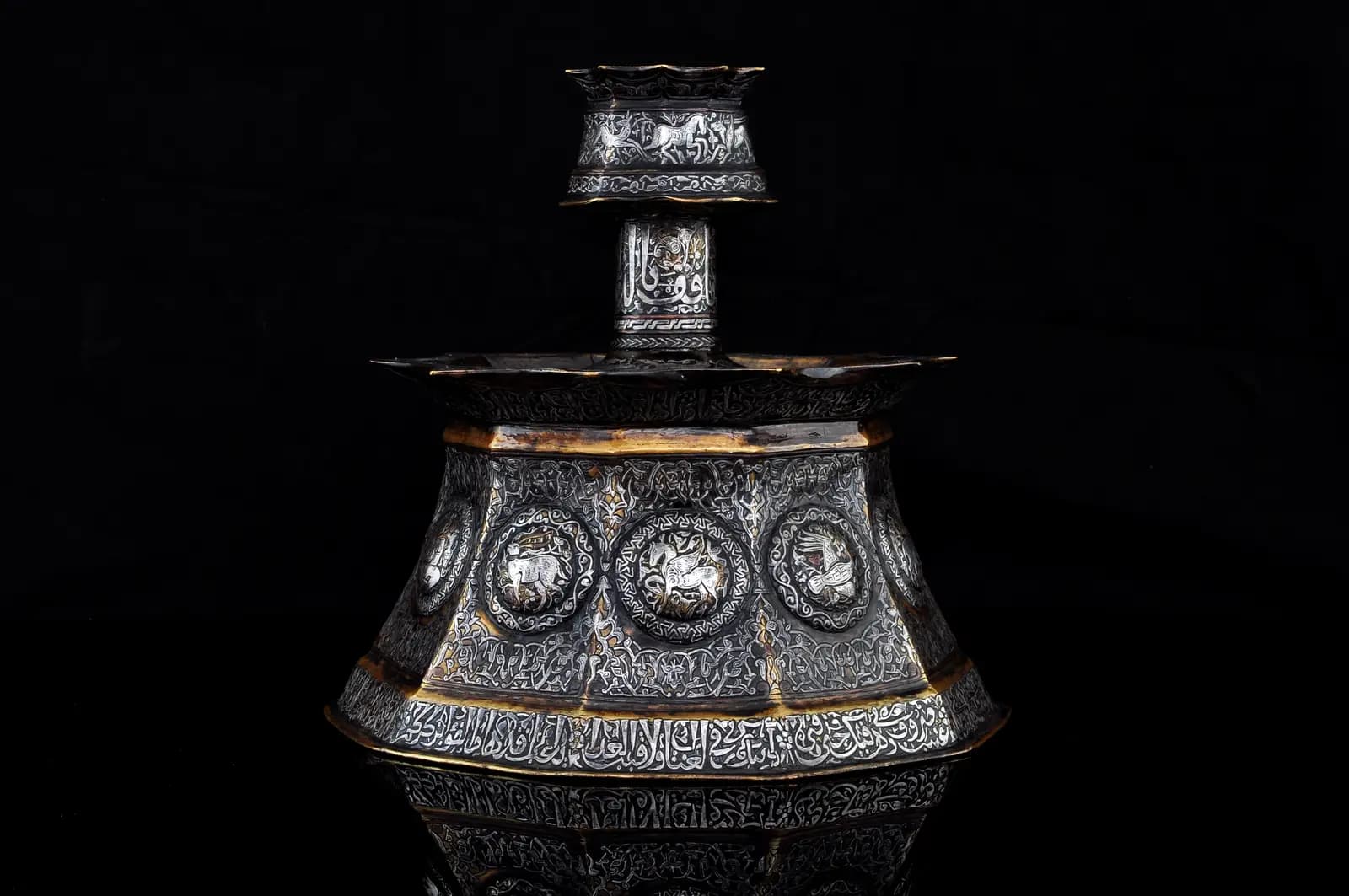
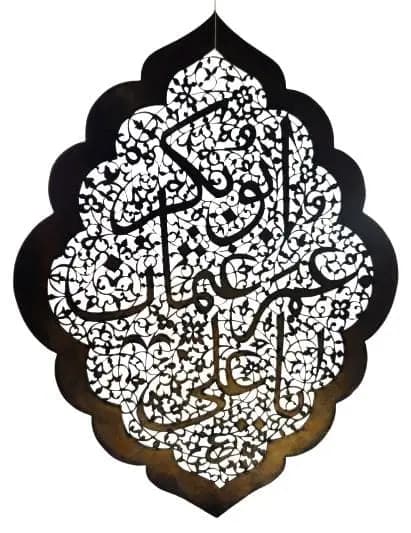
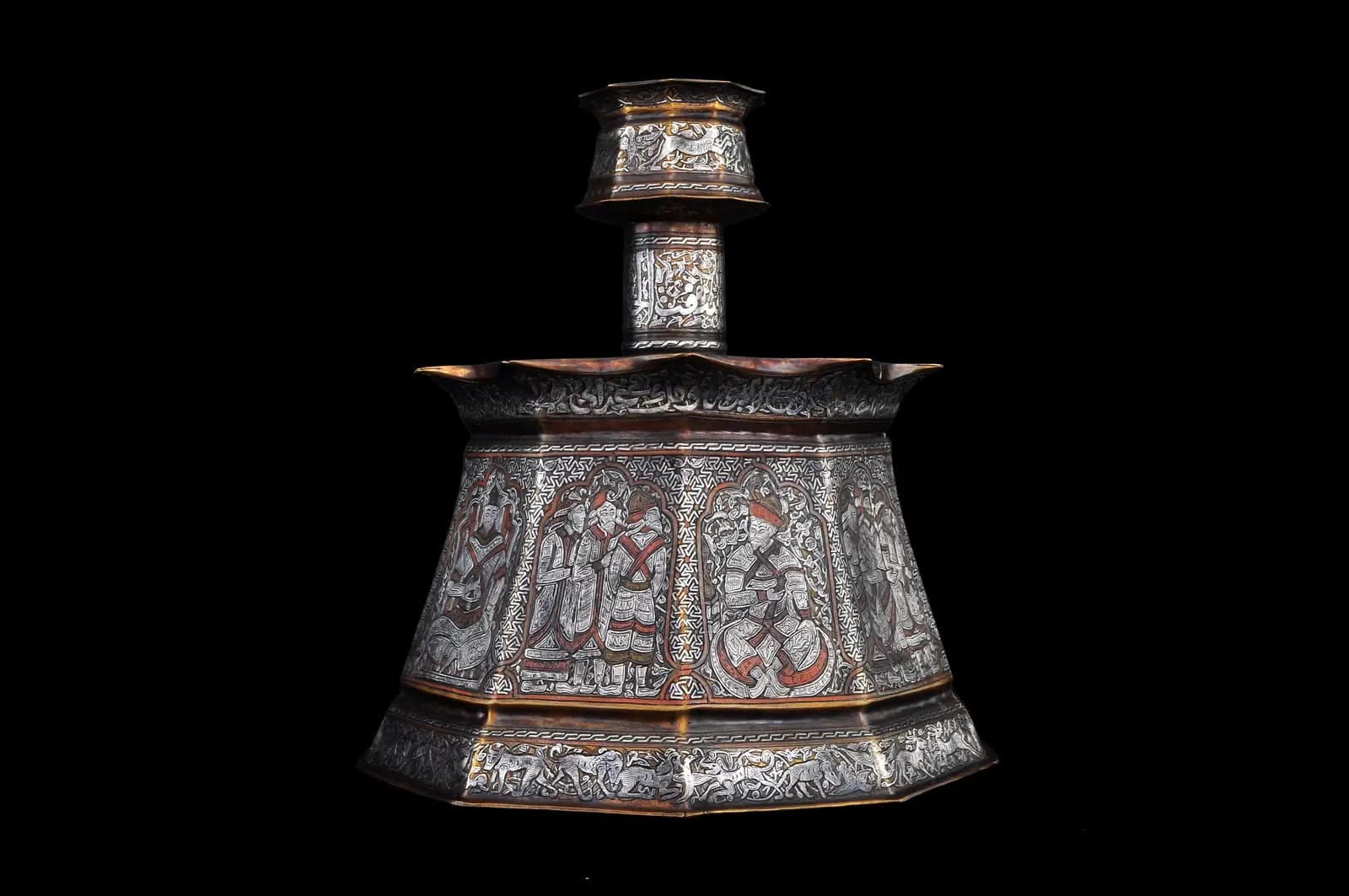
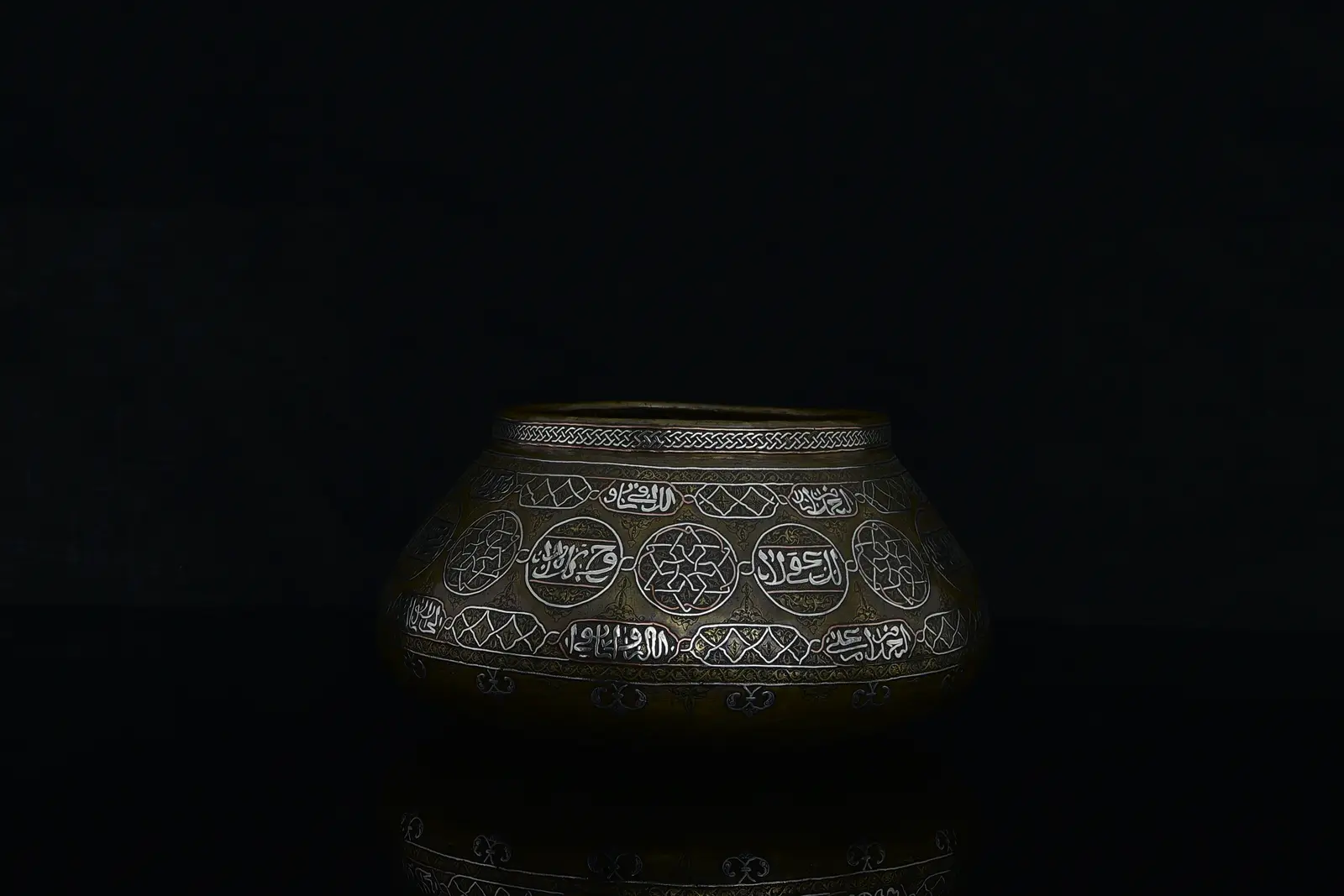
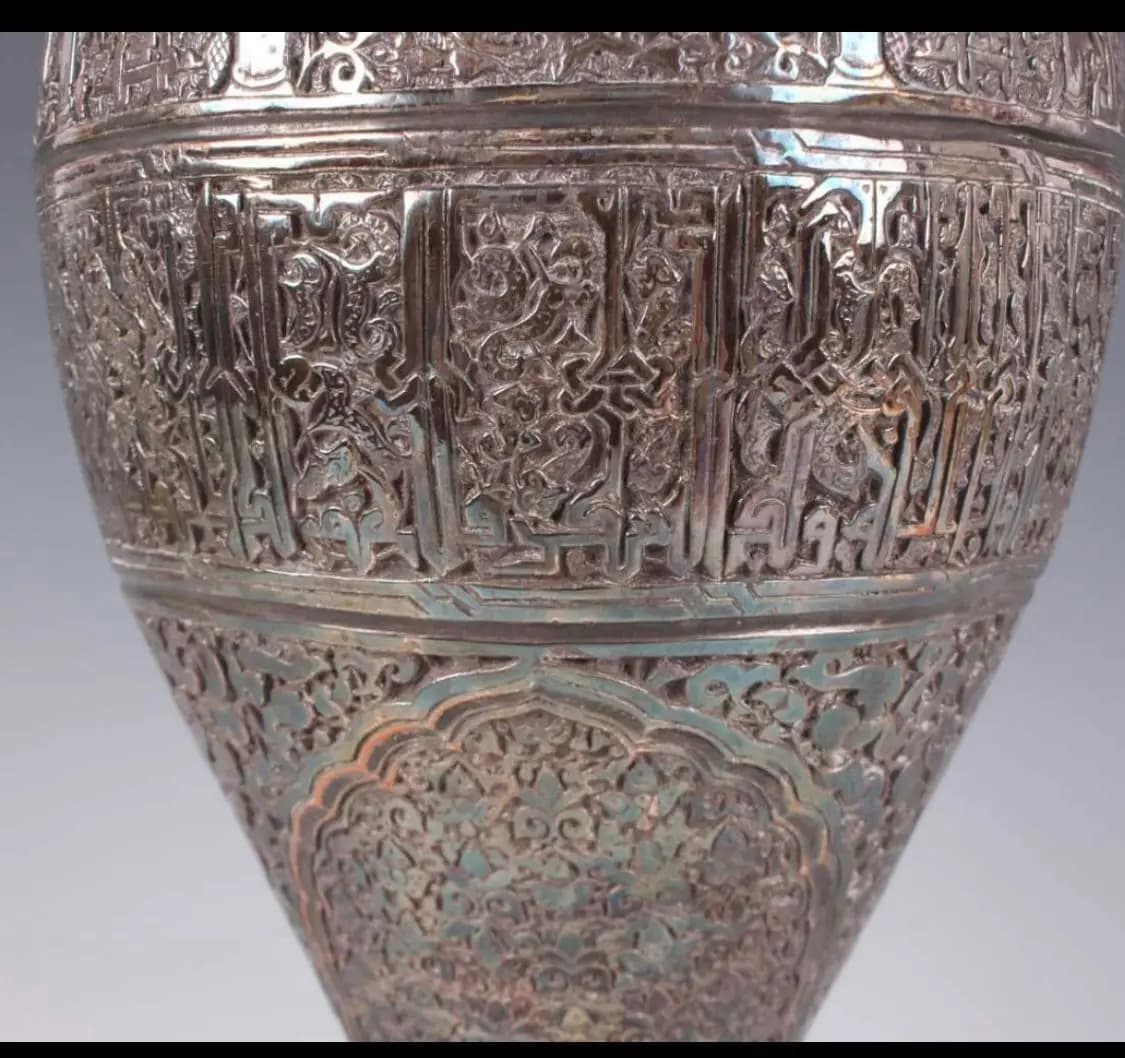
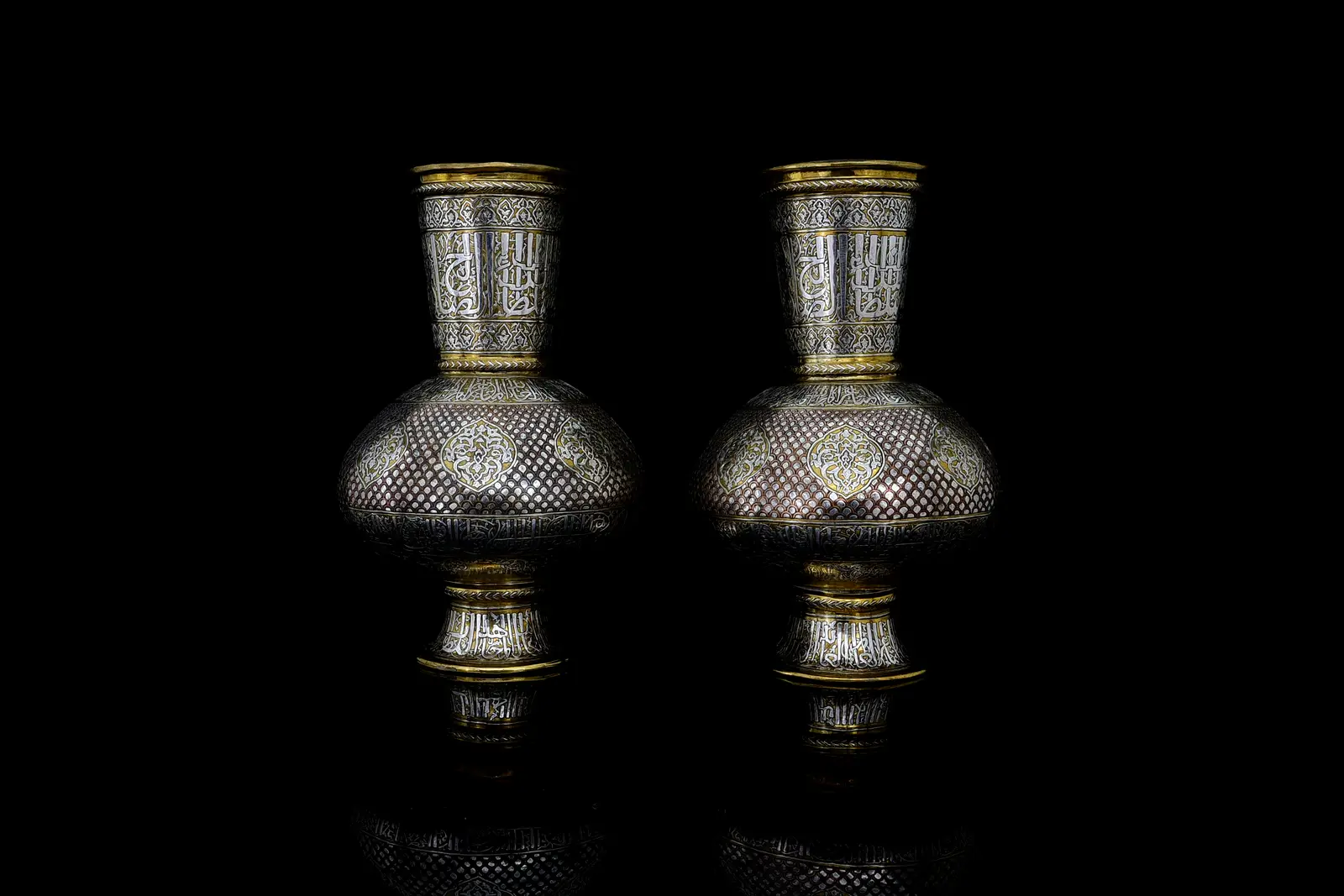
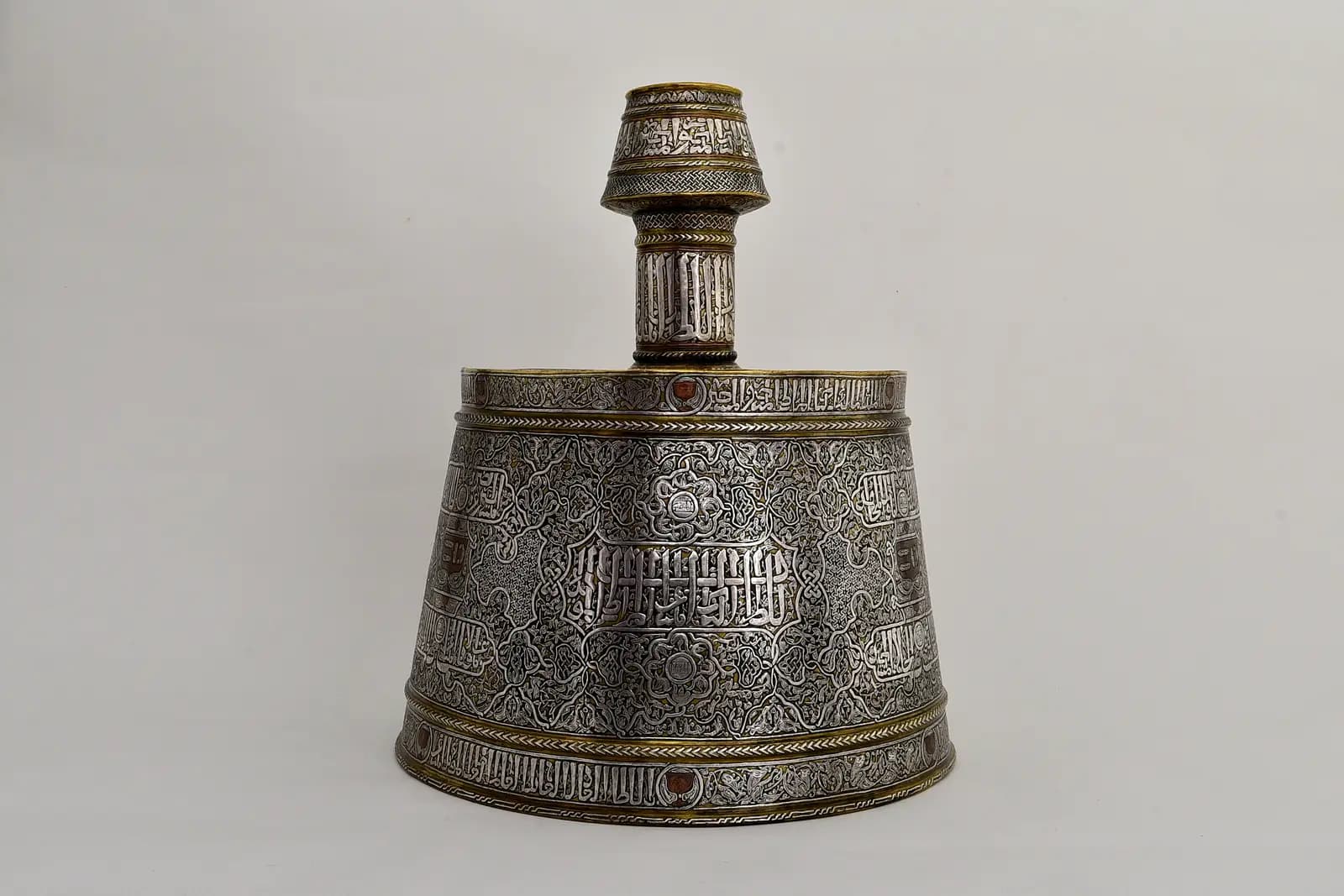
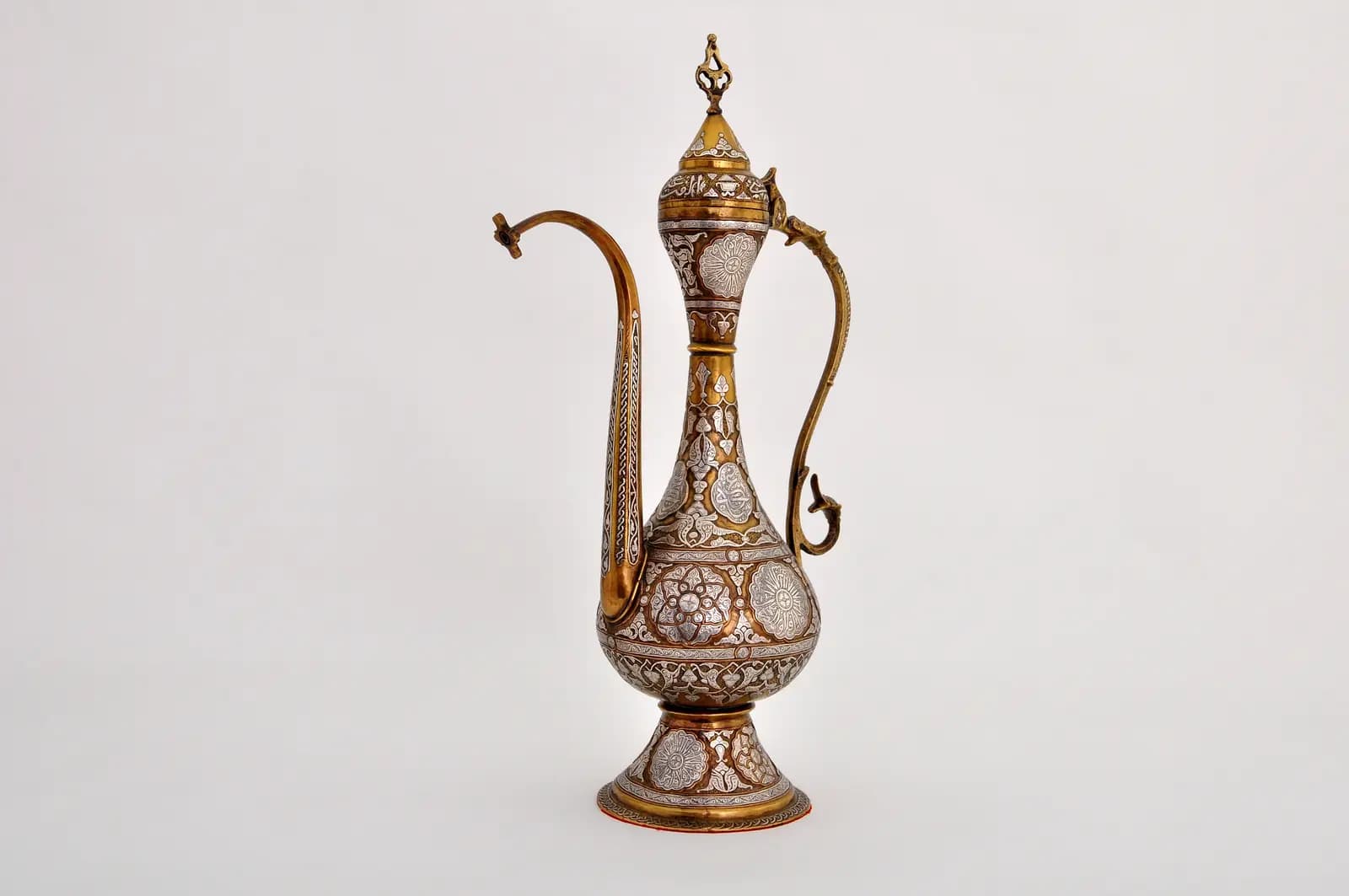
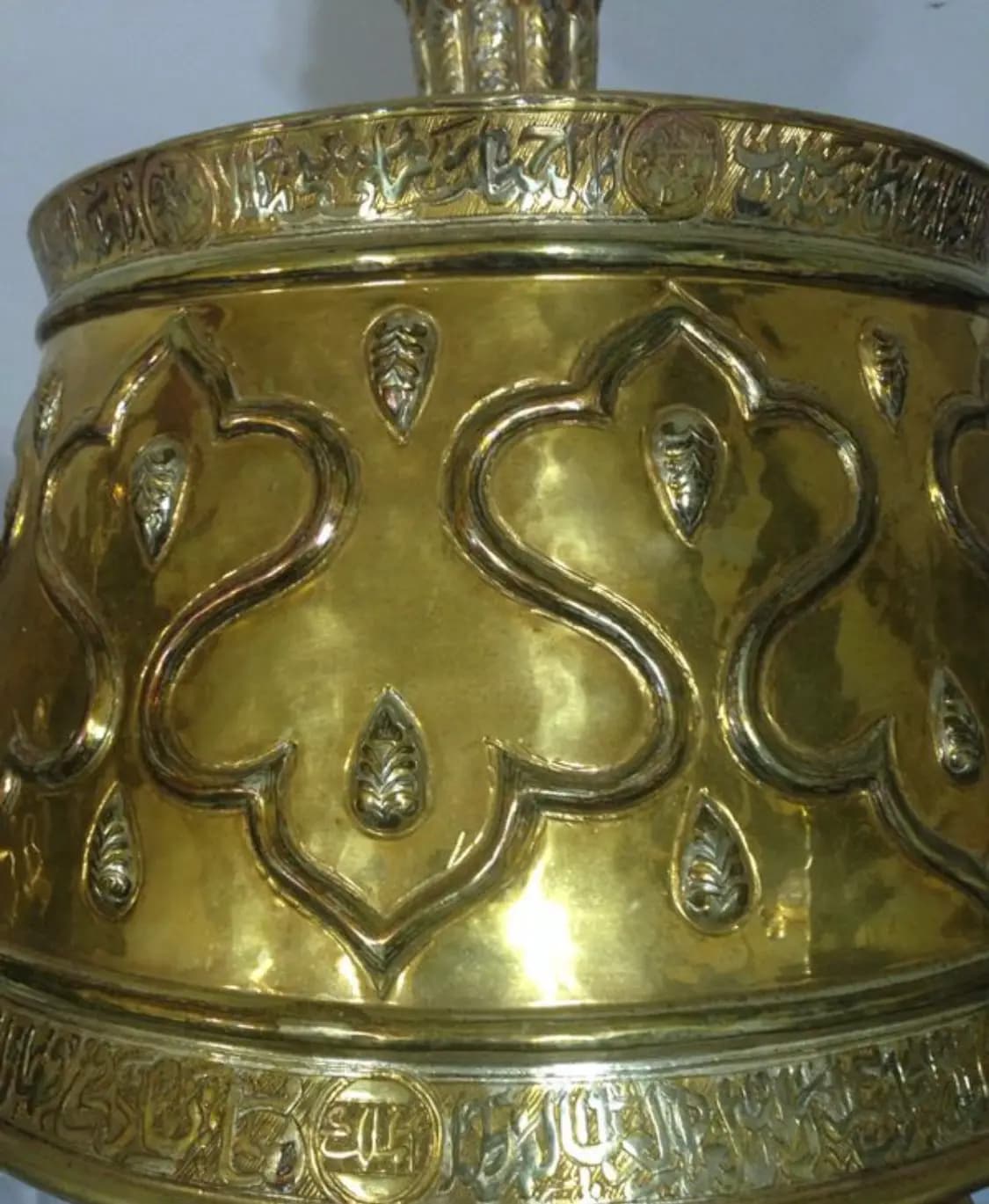
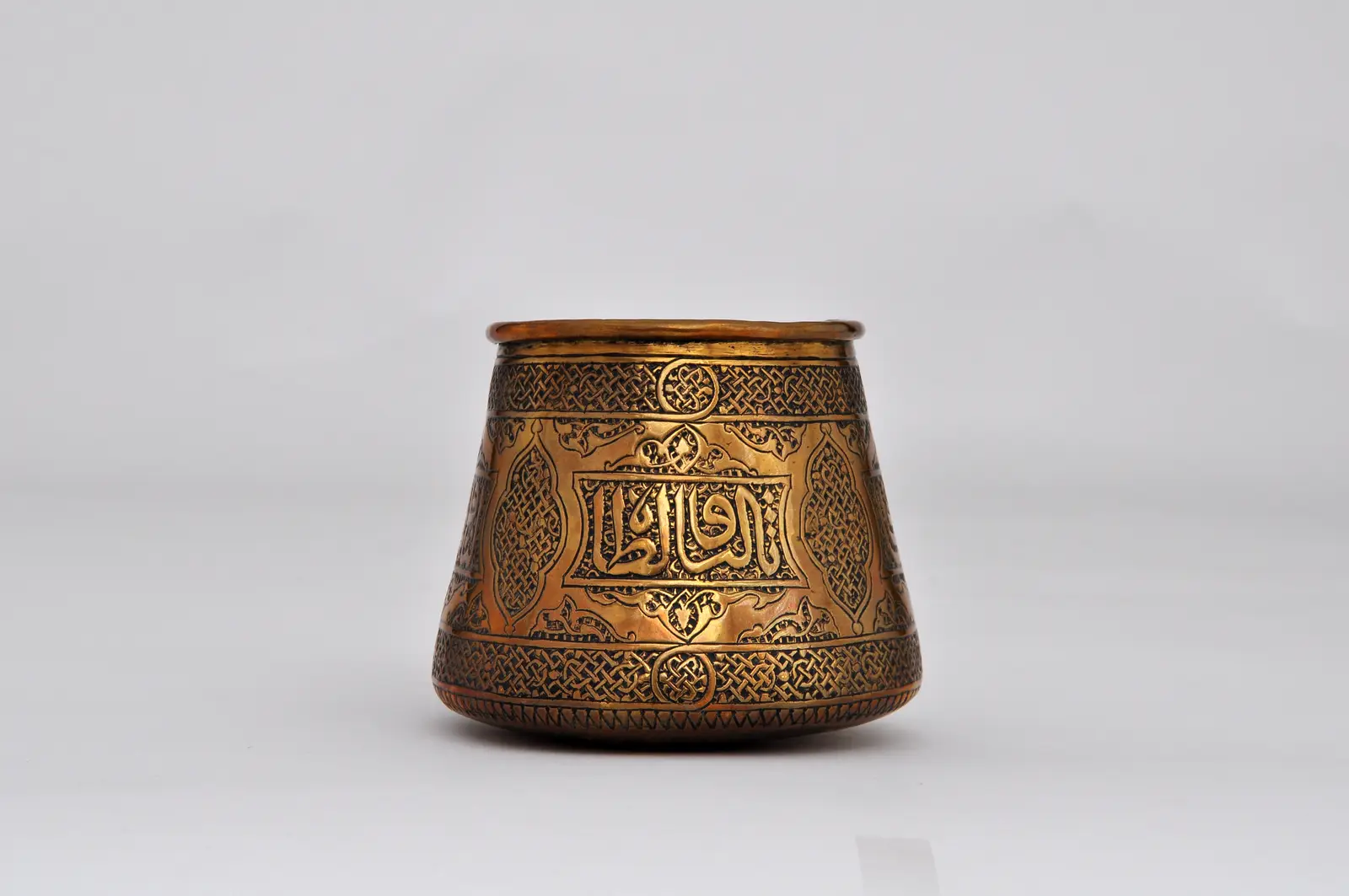
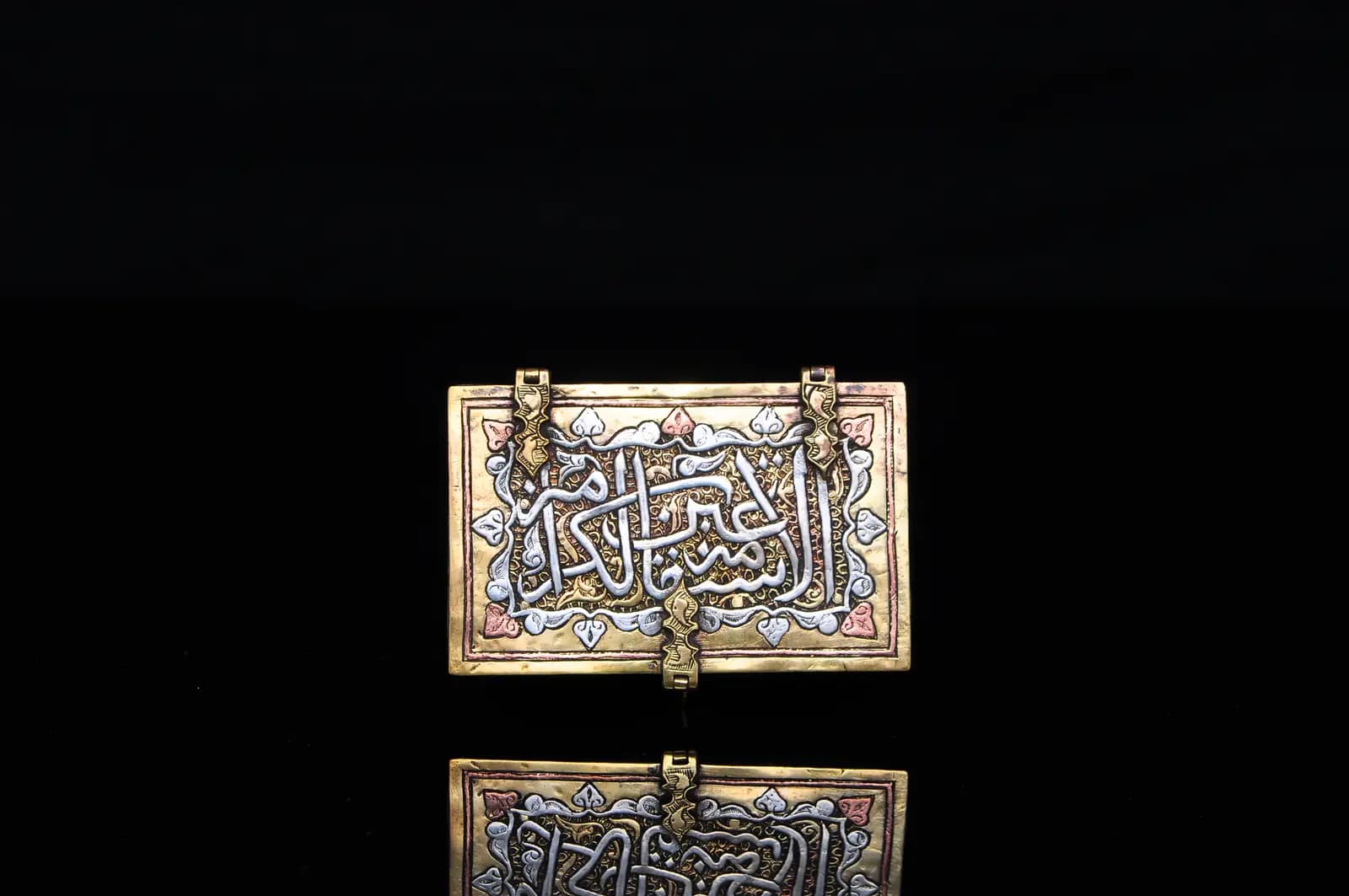
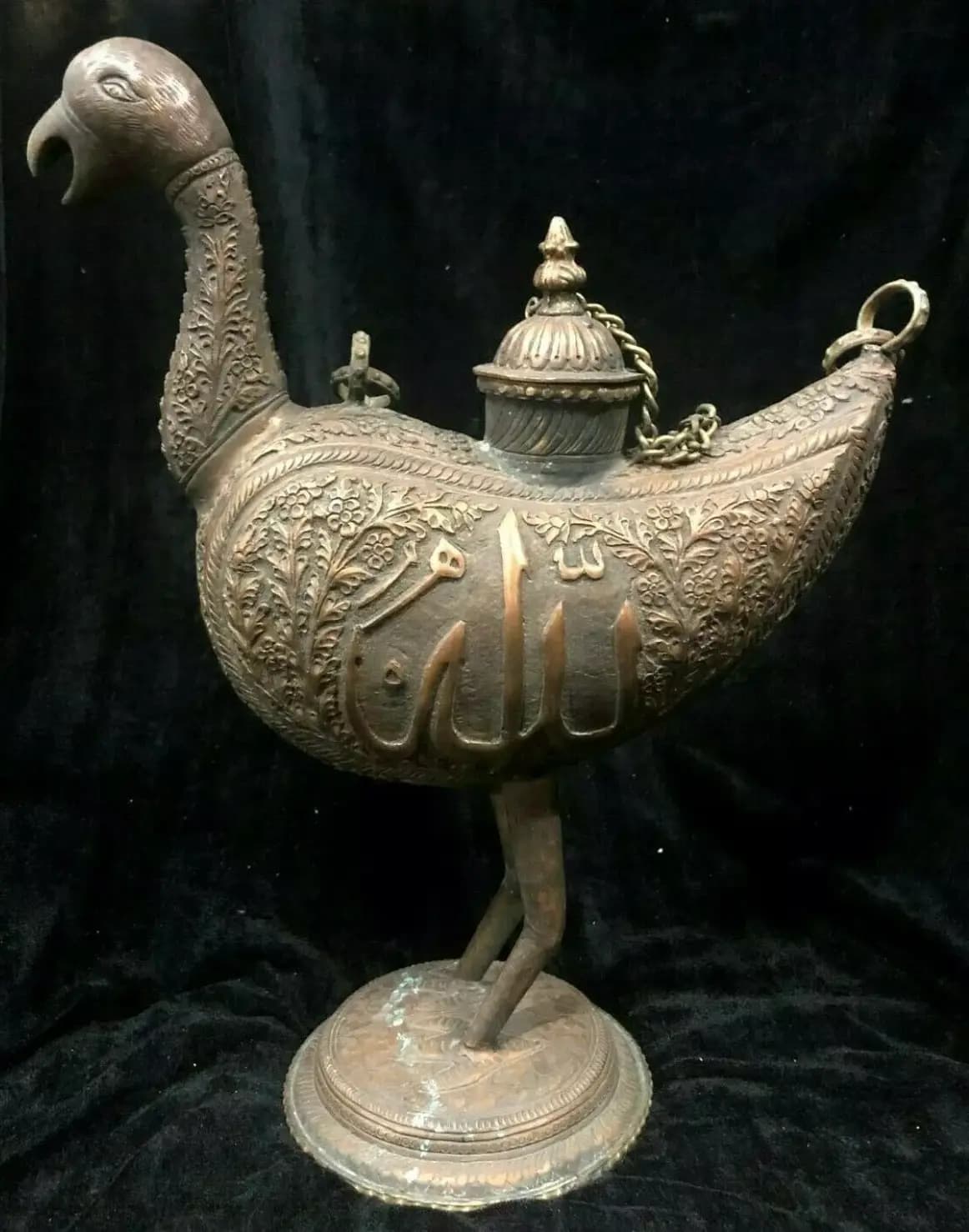
A Network, Not a Style
This site does not treat Islamic metalwork as one style or one religious category. It presents a network of regions, patrons, makers, merchants, users, repairs, and museum histories. Objects may have been made for Muslim, Christian, Jewish, Hindu, courtly, domestic, scientific, military, or commercial settings.
Regions & Routes
Metalwork moved with people, trade, conquest, and pilgrimage across connected workshop zones.
Arabia, Yemen and the Early Caliphates
Hijaz · Rasulid Yemen · Red Sea
Syria, Palestine, Iraq and the Jazira
Mosul · Damascus · Baghdad
Egypt and the Mamluk Mediterranean
Cairo · Fustat · Mamluk Syria
Iran, Khurasan, Central Asia and Afghanistan
Nishapur · Herat · Isfahan
Anatolia, Ottoman Turkey and the Balkans
Istanbul · Konya · Bursa
Al-Andalus, Sicily, North Africa and the Maghrib
Cordoba · Fez · Tunis
South Asia
Bidar · Delhi · Kashmir
Indian Ocean, East Africa, Southeast Asia and Diasporas
Swahili Coast · Gujarat · Aceh